

Ponker Lake Trek
Destination
Poker Lake
Duration
9N/10D
Trip Grade
Moderate
Start/ End
Kathmadu
Best Season
Spring and Autumn
Max People
10-15 people (ideal group size)
Transportation
Tourist bus, private vehicle, or domestic flight (optional)
Activities
Trekking/Tour/Hiking
Ponker Lake Trek Overview
The Ponker Lake Trek is a hidden gem in Nepal’s trekking world, a peaceful, off-the-beaten-path journey through the heart of the Manaslu Conservation Area. Over 10 days and 9 nights, this route blends rich cultural heritage, untouched wilderness, and jaw-dropping Himalayan scenery into one unforgettable adventure.
The journey begins in Kathmandu, where ancient temples, vibrant streets, and UNESCO World Heritage sites like Pashupatinath, Boudhanath, and Swayambhunath offer a captivating introduction to Nepal’s living culture.
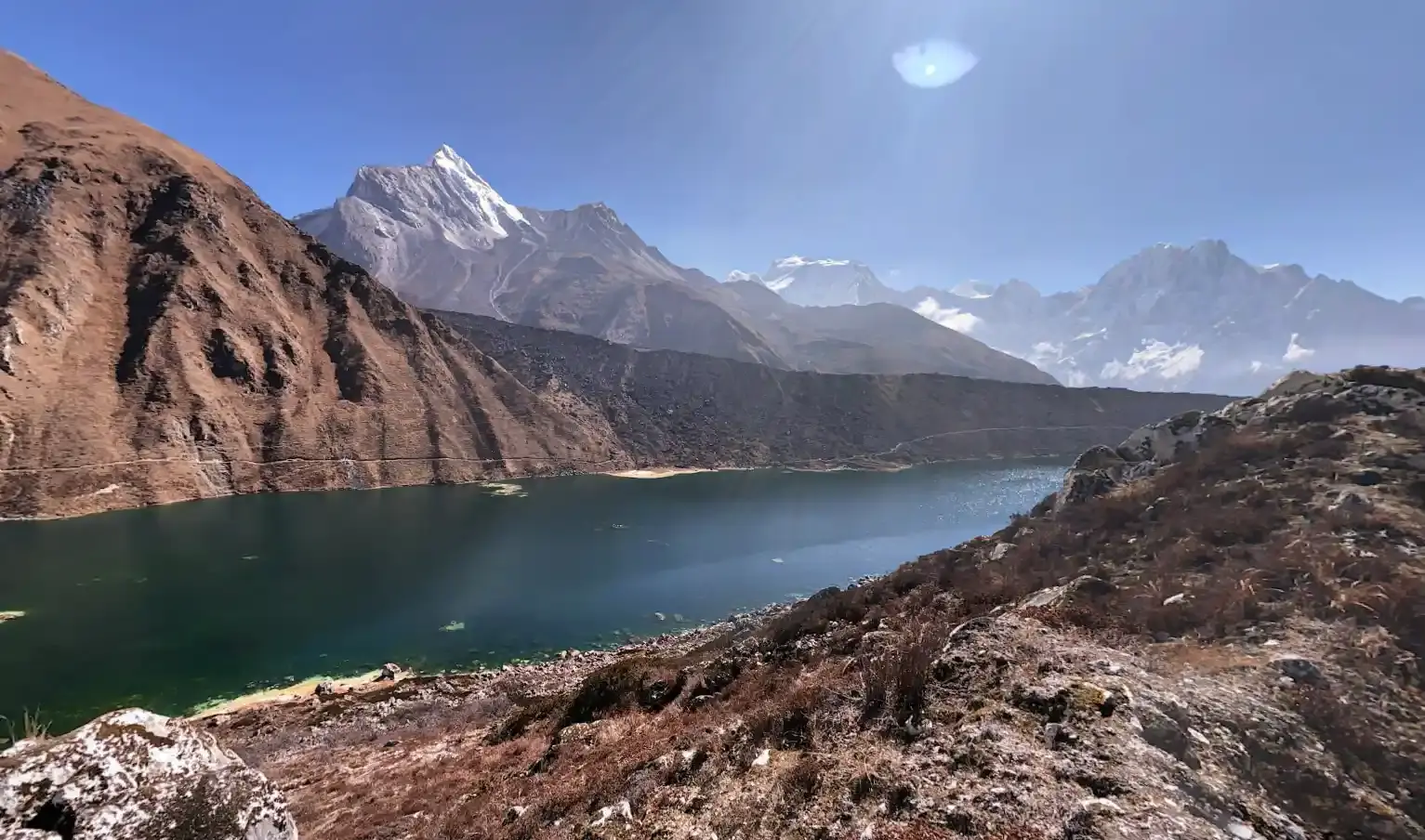
From there, the trail winds through lush rhododendron forests, charming Gurung villages, and cascading mountain streams, gradually climbing through the serene valley of Bhimtang (3,720m) before reaching the crown jewel of the trek: Ponker Lake (4,100m). Fed by three glaciers, this turquoise alpine lake mirrors the towering peaks of Mt. Manaslu (8,163m), Himlung Himal (7,126m), and Lamjung Himal (6,983m) in its crystal-clear waters.
Unlike the crowded trails of Annapurna, this route remains quiet, authentic, and deeply rewarding. The itinerary is thoughtfully paced for safe acclimatization, welcoming both seasoned trekkers and first-time adventurers alike.
Highlights of Ponker Lake Trek
- Cultural Prelude in Kathmandu: Explore ancient UNESCO World Heritage sites like Pashupatinath Temple and Boudhanath Stupa, a perfect cultural introduction before heading into the mountains.
- Scenic Marsyangdi Valley Drive: A dramatic drive along the Marsyangdi River through terraced fields, waterfalls, and river gorges.
- A Less Crowded Trekking Route: A quiet, off-the-beaten-path trail, ideal for photographers and those seeking solitude away from busy Annapurna crowds.
- Authentic Village Life: Pass through traditional Gurung and Tibetan-influenced villages like Dharapani and Tilije, experiencing genuine mountain hospitality.
- The “Silver Bowl” of Bhimtang: A stunning alpine valley at 3,720m, encircled by snow-capped peaks in the heart of the Manaslu Conservation Area.
- Unrivaled Mountain Views: Jaw-dropping vistas of Mt. Manaslu, Himlung Himal, Cheo Himal, and Lamjung Himal throughout the trek.
- The Turquoise Jewel – Ponker Lake: The crowning highlight at 4,100m, a glacier-fed alpine lake with crystal-clear waters reflecting the surrounding peaks.
Ponker Lake Trek Facts
| Feature | Details |
|---|---|
| Total Duration | 9N/10D |
| Starting/Ending Point | Kathmandu (1,400m / 4,593ft) |
| Highest Elevation | 4,100m / 13,451ft (Ponker Lake) |
| Daily Walking Hours | 5–7 Hours (Average) |
| Trekking Distance | Approx. 65 km / 40 miles (Total trek portion) |
| Difficulty Level | Moderate (Excellent for fit hikers) |
| Best Seasons | Spring (March–May) & Autumn (Sept–Nov) |
| Accommodation | Hotel (Kathmandu) & Teahouses (Trek) |
Detailed Ponker Lake Trek Itinerary
Day 1: Arrival in Kathmandu (1,400m / 4,593ft)
Route: Tribhuvan International Airport → Hotel in Kathmandu
Scenic Places: Kathmandu city skyline, bustling Thamel streets, traditional courtyards
Activity: Arrival, Airport Transfer & Briefing
Elevation: 1,400m / 4,593ft
Ascent / Descent: 0m
Accommodation: Deluxe Hotel
Meals: Dinner
Arrive at Nepal’s gateway and transfer to your hotel. Settle in and rest after your flight. In the evening, enjoy a briefing with your trekking guide. Take a short walk in Thamel, soak in the lively streets, local shops, and vibrant atmosphere. This day prepares you for the adventure ahead while giving your body time to adjust.
Day 2: Kathmandu Sightseeing and Preparation (1,400m / 4,593ft)
Route: Kathmandu Valley Heritage Tour
Scenic Places: Pashupatinath Temple, Boudhanath Stupa, Swayambhunath Stupa (Monkey Temple), Kathmandu Durbar Square
Activity: Sightseeing, Gear Check, Permit Processing
Elevation: 1,400m / 4,593ft
Ascent / Descent: 0m
Accommodation: Deluxe Hotel
Meals: Breakfast, Lunch, Dinner
Explore Kathmandu’s spiritual and cultural heritage. Visit Pashupatinath, the sacred Hindu temple, then marvel at the massive Boudhanath Stupa and Swayambhunath, perched atop a hill. Walk through Kathmandu Durbar Square, with its intricate palaces and courtyards. Between sightseeing, your guides assist with final gear checks and trekking permits. A day of cultural immersion, ensuring you’re fully prepared for the trek.
Day 3: Scenic Drive to Dharapani (1,860m / 6,102ft)
Route: Kathmandu → Besisahar → Dharapani
Scenic Places: Marsyangdi River Valley, terraced farmlands, river gorges, cascading Chyamche Waterfall
Activity: Scenic Drive & Jeep Transfer (8–9 Hours)
Elevation Start: 1,400m/4,593ft
Elevation End: 1,860m / 6,102ft
Ascent: 460m / 1,509ft
Accommodation: Mountain Teahouse
Meals: Breakfast, Lunch, Dinner
Depart early for a scenic journey along the Marsyangdi River. Pass terraced fields, rural villages, and rushing waterfalls. A rugged jeep ride through river gorges leads to Dharapani, the starting point of your trek. The mountains gradually rise around you, and the clean air signals the start of your highland adventure. Overnight in a cozy mountain teahouse, soaking in the sounds of the glacial river.
Day 4: Trek to Tilije Village (2,300m / 7,546ft)
Route: Dharapani → Thoche → Tilije
Scenic Places: Dudh Khola River, pine and rhododendron forests, Thoche Monastery, mountain valley views
Activity: Trekking (4–5 Hours)
Elevation Start: 1,860m / 6,102ft
Elevation End: 2,300m / 7,546ft
Ascent: 440m / 1,444ft
Accommodation: Mountain Teahouse
Meals: Breakfast, Lunch, Dinner
Begin trekking along quiet forested trails. Cross suspension bridges over the Dudh Khola River and visit the Thoche Monastery, a spiritual landmark. The trail winds through rhododendron and pine forests, offering glimpses of distant peaks. Arrive in Tilije, a traditional Gurung village, where the stone houses and colorful windows tell stories of centuries-old Himalayan life. This gentle day helps with acclimatization while introducing the region’s beauty.
Day 5: Trek to Gho (2,515m / 8,251ft)
Route: Tilije → Surki Khola → Gho
Scenic Places: Rhododendron forests, Manaslu North Peaks, mountain streams, traditional villages
Activity: Trekking (4–5 Hours)
Elevation Start: 2,300m / 7,546ft
Elevation End: 2,515m / 8,251ft
Ascent: 215m / 705ft
Accommodation: Mountain Teahouse
Meals: Breakfast, Lunch, Dinner
Trek through lush rhododendron and pine forests, enjoying serene mountain landscapes. Observe local wildlife like langur monkeys and Himalayan birds. The trail opens to spectacular views of high peaks, with the small settlement of Gho welcoming you with traditional teahouses. This day allows your body to acclimatize further while enjoying the natural beauty of the Manaslu region.
Day 6: Ascent to Bhimtang Valley (3,720m / 12,205ft)
Route: Gho → Karche → Bhimtang
Scenic Places: Bhimtang Valley (“Silver Bowl”), alpine meadows, Mt. Manaslu, distant peaks of Himlung Himal and Lamjung Himal
Activity: Trekking (5–6 Hours)
Elevation Start: 2,515m / 8,251ft
Elevation End: 3,720m / 12,205ft
Ascent: 1,205m / 3,954ft
Accommodation: Mountain Teahouse
Meals: Breakfast, Lunch, Dinner
Climb above the tree line into the stunning Bhimtang Valley, surrounded by 7,000–8,000m peaks. Stop at Karche, the highest cultivated land in the valley, and continue through alpine meadows. The views of Mt. Manaslu are awe-inspiring, and the surrounding mountains create a natural amphitheater. The valley is ideal for photography and peaceful contemplation of Himalayan grandeur.
Day 7: Ponker Lake Excursion (4,100m / 13,451ft)
Route: Bhimtang → Ponker Lake → Bhimtang
Scenic Places: Ponker Lake, Ponker Glacier, Nayamlo Tal, panoramic Himalayan peaks
Activity: Highlight Trek & Acclimatization (4–5 Hours)
Elevation Start: 3,720m / 12,205ft
Peak Elevation: 4,100m / 13,451ft
Ascent: 380m / 1,246ft
Accommodation: Mountain Teahouse | Meals: Breakfast, Lunch, Dinner
Hike to the stunning turquoise Ponker Lake, formed at the confluence of three glaciers. The landscape is dramatic, with jagged peaks like Manaslu (8,163m), Himlung Himal (7,126m), and Lamjung Himal reflecting on the lake. Explore Nayamlo Tal nearby before returning to Bhimtang. This day is the highlight of the trek, offering serenity, photo opportunities, and a sense of achievement.
Day 8: Trek to Dharapani & Drive to Pokhara (822m / 2,697ft)
Route: Bhimtang → Dharapani → Pokhara
Scenic Places: Forested gorges, Dudh Khola river, Marsyangdi Valley, Phewa Lake
Activity: Trekking (4–5 Hours) & Driving (5–6 Hours)
Elevation Start: 3,720m / 12,205ft
Elevation End: 822m / 2,697ft
Total Descent: 2,898m / 9,508ft
Accommodation: Hotel in Pokhara
Meals: Breakfast, Lunch
Overview: Complete the final leg of your trek with a descent through lush rhododendron and pine forests to Dharapani, where you officially exit the trail. From here, trade your boots for a vehicle as you embark on a scenic drive through rugged mountain roads and rural foothills. The day concludes in the vibrant city of Pokhara, where you can enjoy a hot shower and a relaxing evening by the lakeside to celebrate the end of your adventure.
Day 9: Drive back to Kathmandu (1,400m / 4,593ft)
Route: Pokhara → Kathmandu
Scenic Places: Lamjung Hills, terraced farmlands, rivers, Prithvi Highway views
Activity: Scenic Drive (8–10 Hours)
Elevation Start: 822m / ,697ft
Elevation End: 1,400m / 4,593ft
Accommodation: Deluxe Hotel
Meals: Breakfast, Lunch, Dinner
Drive back to Kathmandu along scenic hills and river valleys. Enjoy the changing landscape and the final glimpses of mountains before reaching urban comfort. Upon arrival, check into your hotel, enjoy a hot shower, and spend the evening in Thamel, shopping or celebrating the trek’s completion.
Day 10: Final Departure from Kathmandu
Route: Hotel → International Airport
Scenic Places: Aerial views of the Himalayan Range, Kathmandu Valley
Activity: Airport Transfer
Elevation Start: 1,400m / 4,593ft
Elevation End: 1,400m / 4,593ft
Meals: Breakfast
Transfer to the airport for your flight home. Take in one last aerial view of the Himalayan peaks and valleys. Depart with memories of pristine Ponker Lake, the hospitality of local Gurung communities, and the accomplishment of completing a high-altitude adventure.
- Airport Transfers - Round-trip private transfers between Tribhuvan International Airport and your Kathmandu hotel
- Accommodation - 3 nights in a deluxe boutique hotel in Kathmandu + 6 nights in traditional mountain teahouses on the trail
- Full Board Meals - Breakfast, lunch, and dinner daily throughout all trekking days
- Licensed Guide - English-speaking, first-aid trained, government-certified expert in the Manaslu region
- All Permits - ACAP, MCAP, Restricted Area Permit, and TIMS card fully arranged
- Ground Transport - Kathmandu to Besisahar drive + 4WD jeep to the Dharapani trailhead
- Staff Welfare - Fair wages, insurance, meals, lodging, and high-altitude gear for all guides and porters
- International Flights - Round-trip airfare to Kathmandu
- Nepal Entry Visa - $30 (15 days) or $50 (30 days), obtained on arrival
- Travel Insurance - Mandatory; must cover high-altitude trekking (up to 5,000m) and emergency helicopter evacuation
- Personal Trekking Gear - Boots, down jacket, sleeping bag, trekking poles (rentals available in Thamel from $2–$3/day)
- Drinks & Snacks - Soft drinks, bottled water, alcohol, and trail snacks (water purification tablets recommended)
- On-Trail Extra Services: Hot showers - $3–$6, Wi-Fi access - $2–$5/day, Device/power bank charging - $2–$4
- Personal Expenses - Souvenirs, laundry, and meals not listed in the itinerary
- Emergency Costs - Expenses from flight delays, weather diversions, or early descent due to illness
Ponker Lake Trek Cost & Budget Breakdown
Getting a clear picture of your trekking investment helps you plan with confidence. Below is a transparent breakdown of everything involved in a 10-day Ponker Lake Trek from Kathmandu to Kathmandu.
| Group Size | Price Per Person (USD) |
|---|---|
| Solo Trekker | $850 – $1,100 |
| 2 – 3 People | $720 – $900 |
| 4 – 6 People | $650 – $820 |
| 7+ People | $580 – $750 |
Note: All packages include permits, meals, accommodation, guide, porter, and all ground transportation.
Additional / Personal Expenses (Not Included)
| Expense | Estimated Cost (USD) |
|---|---|
| International Flights to Kathmandu | $400 – $900 (varies by origin) |
| Nepal Visa | $30 (15 days) / $50 (30 days) |
| Travel & Medical Insurance | $50 – $120 |
| Personal Trekking Gear & Clothing | $0 – $200 (if renting in Kathmandu) |
| Hot Showers on Trail | $1 – $3 per shower |
| Battery / Device Charging | $1 – $2 per charge |
| Extra Snacks & Drinks | $5 – $15 per day |
| Guide & Porter Tips (Recommended) | $80 – $120 total |
| Souvenirs & Personal Shopping | $20 – $100 |
Ponker Lake Trek: An Offbeat Himalayan Escape to Crystal Lakes & Snowy Peaks
Best Season For Ponker Lake Trek: Complete Seasonal Guide
Choosing the best season for Ponker Lake Trek is key to enjoying clear Himalayan views and comfortable trekking conditions. Located at the meeting point of the Annapurna and Manaslu regions, this trek follows Nepal’s classic trekking calendar, with distinct seasonal advantages and challenges.
At Mardi Trek Nepal, we recommend autumn and spring as the prime trekking windows, offering the perfect balance of weather, visibility, and trail conditions.
Autumn (September to November) - Peak Visibility
Autumn is widely regarded as the best season for Ponker Lake Trek. After the monsoon rains clear the atmosphere, the skies become incredibly crisp, offering unmatched views of Mt. Manaslu and surrounding glaciers.
- Weather: Stable, dry, and predictable
- Temperature: 10°C to 18°C during the day; -5°C to -10°C at night in higher areas like Bhimtang (3,720m)
- Pros: Crystal-clear mountain views, lush post-monsoon landscapes, festive local culture
- Cons: Peak season means busier trails and teahouses
Best for: Trekkers seeking the clearest views and classic Himalayan experience
Spring (March to May) - The Floral Window
Spring is the second-best season and a favorite for nature lovers. The forests around Tilije and Gho burst into color with blooming rhododendrons, making the journey especially scenic.
- Weather: Mild and pleasant with longer daylight hours
- Temperature: 15°C to 20°C in lower regions; 0°C to -5°C at higher altitudes
- Pros: Vibrant wildflowers, active wildlife, fewer crowds than autumn
- Cons: Light haze may reduce mountain visibility in late May
Best for: Trekkers who enjoy colorful landscapes and quieter trails
Winter (December to February) - The Quiet Challenge
Winter trekking is possible but best suited for experienced adventurers prepared for harsh conditions.
- Weather: Dry and clear skies but extremely cold
- Temperature: Can drop below -15°C at higher elevations
- Pros: Peaceful trails, snow-covered landscapes, complete solitude
- Cons: Heavy snow may block access to Ponker Lake; limited teahouse availability
Best for: Experienced trekkers seeking solitude and snowy scenery
Monsoon (June to August) - Not Recommended
The monsoon season is generally avoided in any Nepal trekking weather guide, especially for routes like Ponker Lake.
- Weather: Heavy rainfall, high humidity, and frequent clouds
- Pros: Lush green forests and dramatic waterfalls
- Cons: Slippery trails, leeches, poor visibility, and high landslide risk
Best for: Not recommended due to safety and visibility concerns
Seasonal Comparison for Planning
| Season | Best Months | Visibility | Temperature (High Altitude) | Crowd Level |
|---|---|---|---|---|
| Autumn | Oct – Nov | Excellent | Cold nights / mild days | High |
| Spring | Mar – Apr | Very Good | Chilly nights / warm days | Moderate |
| Winter | Dec – Jan | Good | Extreme cold | Very Low |
| Monsoon | Jul – Aug | Poor | Humid / rainy | Low |
Packing Lists for Ponker Lake Trek
Preparing the right gear is crucial for a safe and comfortable journey. This Ponker Lake Trek packing list covers everything from essential trekking equipment to clothing and accessories for high-altitude trekking in Nepal.
- Clothing
- Base layers – moisture-wicking shirts and thermal leggings
- Insulating layer – fleece jacket or down sweater
- Outer shell – waterproof and windproof jacket and pants
- Trekking pants & shorts – breathable and quick-dry
- T-shirts – moisture-wicking for daytime
- Warm hat & gloves – for cold mornings and evenings
- Sun hat / Cap – for daytime sun protection
- Buff / Neck gaiter – versatile for wind and dust
- Socks – moisture-wicking trekking socks (2–3 pairs)
- Underwear – quick-dry and comfortable
- Essentials/ Equipments
- Backpack (40–50L) – lightweight, with rain cover
- Daypack (20–25L) – for daily essentials
- Sleeping bag (–10°C / 14°F) – suitable for teahouse stays
- Trekking poles – adjustable and lightweight
- Water bottles / Hydration system – 2–3 liters capacity
- Headlamp with extra batteries – for early starts or night walks
- Sunglasses – UV protection for high-altitude sun
- Personal first aid kit – include blister plasters, painkillers, and altitude sickness medication
- Trekking permits & documents – TIMS card, Passport, Insurance
- Footwear
- Trekking boots – waterproof, broken-in, ankle support
- Camp shoes / Sandals – for evenings at teahouses
- Gaiters – optional for snow or muddy trails
- Accessories & Essentials
- Camera / Smartphone – with extra memory cards
- Chargers & Power bank – portable power for electronics
- Travel adapter – Nepal uses type C, D, and M plugs
- Toiletries – biodegradable soap, toothbrush, toothpaste
- Quick-dry towel – lightweight and compact
- Snacks – energy bars, nuts, or chocolate
- Trekking map / Guidebook – helpful for navigation
- Optional Items
- Binoculars – for wildlife and mountain viewing
- Notebook / Journal – to document your journey
- Lightweight trekking umbrella – for rainy season
- Hand warmers – for extra warmth at high elevations
- Water purification tablets – for extra safety
- Tips for Packing
- Pack light, aim for 10–12kg (22–26lbs) total backpack weight.
- Layer clothing for temperature flexibility from 10°C (50°F) in the valley to –5°C (23°F) at Bhimtang and Ponker Lake.
- Protect electronics and documents with waterproof covers or zip-lock bags.
- Ensure comfortable, well-broken-in trekking boots to avoid blisters.
Ponker Lake Trek Permits & Legal Requirements
Because the Ponker Lake route sits at the crossroads of the Annapurna and Manaslu regions, it requires a specific set of permits and documentation. At Mardi Trek Nepal, we handle every formality on your behalf, so you arrive ready to trek, not buried in paperwork.
| Permit | Issuing Authority | Cost (USD) | Who Needs It |
|---|---|---|---|
| Annapurna Conservation Area Permit (ACAP) | Nepal Tourism Board | $30 | All trekkers |
| Manaslu Conservation Area Permit (MCAP) | Nepal Tourism Board | $30 | All trekkers |
| Manaslu Restricted Area Permit (RAP) | Dept. of Immigration | $100 – $200 | All trekkers (see note below) |
| TIMS Card | TAAN / NTB | $20 | All trekkers |
| Total Permit Cost | ~$180 – $280 per person | ||
Updated for 2026: Solo trekkers can now legally obtain the RAP, provided they are accompanied by a licensed guide from a government-registered agency. Independent trekking without a guide remains prohibited.
The "No Guide, No Trek" Policy
Per the 2026 Nepal Government safety mandates, solo trekking is prohibited in this region. All trekkers must be accompanied by a licensed mountain guide. As a registered agency, Mardi Trek Nepal ensures your guide is government-certified, insured, and deeply familiar with the specific terrain of the Manaslu glacier zones.
Our Authority & Trust
At Mardi Trek Nepal, we don’t just “buy” permits; we ensure every document is registered correctly for your safety. Our decades of experience in the Annapurna and Manaslu regions mean we have a direct line to local authorities, ensuring that your Nepal trekking documentation is always up-to-date with the latest 2026 laws.
Understanding the Ponker Lake Trek Difficulty
For adventurers planning the Ponker Lake Trek, knowing the physical demands beforehand is crucial for a safe and enjoyable journey. Often called the “Mini Manaslu Trek,” this route is classified as moderate in difficulty. It’s more challenging than easy treks like Poon Hill, yet far more accessible than high-pass treks such as the full Manaslu Circuit.
At Mardi Trek Nepal, we assess the Ponker Lake Trek difficulty based on four key factors:
Altitude Considerations
The most significant challenge on the Ponker Lake Trek is rapid altitude gain.
- Starting Point: The trek begins at Dharapani (1,860m / 6,102ft).
- Highest Point: You reach Ponker Lake at 4,100m / 13,451ft within a few days.
- Acclimatization: Our 10-day itinerary is carefully designed for gradual ascent, reducing the risk of Acute Mountain Sickness (AMS). Despite this, trekkers may feel more breathless and fatigued as oxygen levels drop at higher altitudes.
Comparison with Other Nepal Treks
When compared to popular Annapurna region treks, the Ponker Lake route occupies a distinct niche:
- Ponker Lake Trek Vs. Mardi Himal: Both reach similar elevations, but Ponker Lake feels wilder and more remote due to its glacial landscapes.
- Ponker Lake Trek Vs. Annapurna Circuit: It’s far less demanding than crossing the Thorong La Pass (5,416m / 17,769ft), making it perfect for trekkers seeking a high-Himalayan experience without extreme physical strain.
Who Can Attempt the Ponker Lake Trek?
The trek is suitable for a wide range of explorers:
- Fit Beginners: Those with good fitness levels and prior hiking experience can manage this as their first high-altitude trek.
- Experienced Trekkers: Adventurers who have completed Mardi Himal or Annapurna Base Camp (ABC) will enjoy a quieter, untouched alternative in the Manaslu region.
- Families & Groups: Active families with teenagers or older adults with prior trekking experience can complete this trek comfortably at a steady pace.
Expert Tip: To prepare for the Ponker Lake Trek, focus on leg strength and endurance training, stair climbing, hill walks, or hiking with a light pack for at least 4–6 weeks before arriving in Kathmandu. This preparation will make your trek safer and more enjoyable.
Ponker Lake Trek Elevation and Altitude Information
For any high-Himalayan journey, managing altitude is the most critical factor for both safety and enjoyment. The Ponker Lake Trek involves a significant vertical gain in a relatively short period, making a professional Nepal trek altitude guide essential for every participant.
Ponker Lake Trek Elevation Profile
This trek features a steady “staircase” ascent, starting from the lush river valleys and ending in the high-alpine glacial zones of the Manaslu region.
| Day | Location | Elevation (Meters) | Elevation (Feet) |
|---|---|---|---|
| Day 1–2 | Kathmandu | 1,400m | 4,593ft |
| Day 3 | Dharapani | 1,860m | 6,102ft |
| Day 4 | Tilije Village | 2,300m | 7,546ft |
| Day 5 | Gho (Goa) | 2,515m | 8,251ft |
| Day 6 | Bhimtang Valley | 3,720m | 12,205ft |
| Day 7 | Ponker Lake (Peak) | 4,100m | 13,451ft |
Essential High Altitude Trekking Tips
Reaching the highest point of 4,100m (13,451ft) requires your body to adapt to roughly 40% less oxygen than at sea level. At Mardi Trek Nepal, we follow the “Golden Rules of Altitude” to ensure a 100% success rate.
- The “300-Meter Rule”: Once you pass 3,000m (9,842ft), we ensure your sleeping altitude does not increase by more than 300–500 meters per night. This is why our stop at Gho is a vital “buffer” before pushing to Bhimtang.
- Climb High, Sleep Low: On Day 7, we hike to the lake (4,100m) but return to Bhimtang (3,720m) to sleep. This exposes your body to higher altitudes to stimulate red blood cell production while allowing for better recovery at a lower elevation.
- The “Slow & Steady” (Bistari) Pace: The most common mistake is walking too fast. If you are too breathless to hold a conversation, you are moving too quickly. A slow, rhythmic pace is the best way to prevent fatigue and altitude symptoms.
- Hydration is Mandatory: Dehydration significantly worsens altitude sickness. You must aim to drink 3–4 liters of water per day. Adding electrolytes or oral rehydration salts can help maintain your mineral balance.
Staying Safe: Preventing Altitude Sickness (AMS)
Acute Mountain Sickness (AMS) can affect anyone, regardless of age or fitness level. Early detection is key.
- Watch for Early Symptoms: A mild headache, loss of appetite, or slight dizziness are common. If these occur, stop ascending immediately.
- Avoid “Masking” Agents: Do not consume alcohol or sleeping pills above 3,000m. These substances dehydrate the body and can mask or mimic dangerous altitude symptoms.
- Know When to Descend: The only permanent cure for worsening altitude sickness is immediate descent. If symptoms do not improve with rest and hydration within 4–6 hours, our guides will initiate a move to a lower elevation.
- Trust Your Guide: Our team carries pulse oximeters to monitor your oxygen saturation (SpO2) daily. If your readings or symptoms indicate a risk, your guide’s decision to rest or descend is final and made for your safety.
Pro Tip: Many trekkers consult their doctors about Diamox (Acetazolamide) before the trip. While not a substitute for proper acclimatization, it can help your body adjust more quickly if started 24 hours before reaching 3,000m.
Ponker Lake Trek Safety Tips : A Safe and Responsible Adventure Guide
Trekking to Ponker Lake is an unforgettable experience, but like any Himalayan journey, it requires preparation, awareness, and respect for nature. With the right approach, you can enjoy the trek safely while making the most of every moment. This guide blends practical advice with essential Ponker Lake Trek safety tips to help you stay confident on the trail.
Trekking Health Precautions – Stay Strong on the Trail
Your health plays a crucial role in the success of your trek. Following key trekking health precautions will help you avoid common issues and keep your journey smooth.
- Ascend gradually : Give your body time to adjust to altitude and take rest when needed
- Stay hydrated : Drink enough water throughout the day to prevent fatigue and altitude problems
- Carry a first aid kit : Include basic medicines, bandages, and personal prescriptions
- Eat nutritious food : Keep your energy levels high with balanced meals and snacks
- Protect yourself : Use sunscreen, wear sunglasses, and layer up for changing weather
Taking care of your body ensures you enjoy the trek without unnecessary risks.
Environmental Responsibility – Follow Nepal Trekking Guidelines
Ponker Lake’s beauty depends on responsible trekkers. By following Nepal trekking guidelines, you help preserve the environment for future visitors.
- Leave no trace : Carry all waste back with you and avoid littering
- Reduce plastic use : Choose reusable bottles and eco-friendly products
- Stay on trails : Prevent damage to plants and reduce soil erosion
- Respect wildlife : Observe animals from a distance without disturbing them
Simple actions can make a big difference in protecting the natural surroundings.
Trekking Etiquette – Respect Local Culture
Trekking is not just about landscapes, it is also about people and culture. Practicing good manners enhances your experience and supports local communities.
- Greet locals warmly : A simple smile or greeting builds connection
- Dress modestly : Especially in villages and near religious places
- Give way on trails : Porters and animals should always pass first
- Keep noise low : Maintain the peaceful atmosphere of the mountains
Following proper etiquette reflects responsible behavior under Nepal trekking guidelines.
Emergency Tips – Be Ready for Any Situation
Even with careful planning, unexpected situations can arise. Being prepared is essential for safety.
- Share your itinerary : Inform someone about your plans before starting
- Carry communication tools : Keep your phone charged with a backup power source
- Hire a guide : Local expertise adds safety and confidence
- Monitor weather : Avoid trekking in extreme conditions
- Recognize altitude sickness : Descend immediately if symptoms worsen
These practical Ponker Lake Trek safety tips can help you handle challenges with confidence.
Ponker Lake Trek Accommodation and Meals : What to Expect
Planning where you will stay and what you will eat is an essential part of preparing for the trek. Understanding Ponker Lake Trek accommodation and food options helps you stay comfortable, energized, and well-prepared throughout your journey. From city hotels to remote teahouses, each stage of the trek offers a different experience.
Hotels in Kathmandu and Pokhara – Comfort Before and After the Trek
Before heading into the mountains, most trekkers stay in Kathmandu and Pokhara, where a wide range of accommodations is available.
In Kathmandu, you will find everything from budget guesthouses to luxury hotels in areas like Thamel. These hotels typically offer modern amenities such as WiFi, hot showers, comfortable beds, and international dining options.
In Pokhara, accommodations are more relaxed and scenic, especially near Lakeside. Many hotels provide beautiful views, peaceful surroundings, and easy access to trekking agencies. Staying in these cities allows you to rest, organize gear, and prepare properly before starting the trek.
Teahouse Facilities on the Trek : Simple but Essential
Once you begin the trek, accommodation shifts to traditional teahouses. These are small, family-run lodges that provide basic yet essential services for trekkers.
Typical teahouse facilities include:
- Basic rooms : Usually twin-sharing with simple beds, blankets, and minimal furniture
- Dining area : A communal space with a stove where trekkers gather, eat, and stay warm
- Shared bathrooms : Often outside the room, with limited hot water availability
- Electricity and charging : Available in some areas, sometimes for an extra fee
- Limited WiFi : May be available but often slow or unreliable
While teahouses are not luxurious, they offer warmth, shelter, and a unique opportunity to connect with local culture and fellow trekkers. Understanding Ponker Lake Trek accommodation at this stage helps set realistic expectations.
Nepal Trekking Meals : Nutritious and Energizing
Food during the trek is designed to keep you energized in demanding conditions. Most teahouses offer a standard menu with a mix of local and basic international dishes, forming the core of Nepal trekking meals.
Common meal options include:
- Dal Bhat : A traditional Nepali meal with rice, lentil soup, vegetables, and pickles, often served with unlimited refills
- Noodles and soups : Light, warm, and easy to digest at higher altitudes
- Fried rice and pasta : Simple carbohydrate-rich meals for sustained energy
- Breakfast items : Porridge, eggs, toast, pancakes, and tea or coffee
- Hot drinks : Tea, coffee, ginger tea, and garlic soup, which is popular for altitude adaptation
Meals are generally freshly prepared but may become more basic as you gain altitude due to limited supplies.
Food Safety and Practical Tips
Maintaining food safety is an important part of Nepal trekking meals and overall health.
- Drink safe water : Use boiled water, bottled water, or purification methods
- Avoid raw foods : Stick to cooked meals to reduce the risk of illness
- Eat vegetarian when possible : Meat quality can be uncertain in remote areas
- Carry snacks : Energy bars, nuts, and chocolates help maintain energy between meals
Being mindful of what you eat ensures a safer and more enjoyable trekking experience.
Ponker Lake Trek Additional Information
For a smooth and enjoyable journey, understanding practical aspects of the trek is essential. This Ponker Lake Trek additional info provides key insights and Nepal trekking guide tips for all travelers seeking reliable travel information for trekkers.
- Local Culture: The Ponker Lake region is home to Gurung and Tibetan-influenced communities. Trekkers will encounter traditional villages, monasteries, and local festivals. Respecting customs such as greeting locals with “Namaste,” dressing modestly, and asking before photographing people enhances cultural immersion and fosters positive interactions.
- Transportation Options: Reaching the trailhead involves road travel from Kathmandu, often passing through Pokhara or Besisahar. Jeep rides or private vehicles are the most common mode of transport due to rugged Himalayan roads. Early planning and flexible schedules are recommended, especially during monsoon or winter seasons.
- Currency: The Nepalese Rupee (NPR) is the official currency. While ATMs are available in cities like Kathmandu and Pokhara, remote trekking areas rarely have banking facilities. Trekkers should carry sufficient cash for teahouse meals, permits, and miscellaneous expenses.
- Mobile Network & Connectivity: Mobile coverage is limited along the trail, with better signals in major villages and teahouses. Some lodges offer Wi-Fi, usually at an additional cost, but connectivity can be inconsistent. Carry a portable power bank and plan for limited online access.
- Trekking Tips: Start your day early to maximize daylight and enjoy serene mountain views. Stay hydrated, pace yourself according to altitude, and follow your guide’s instructions. Pack essential gear, including warm clothing, trekking boots, a sleeping bag, and a first-aid kit. Respect local customs, wildlife, and the environment to ensure a safe and rewarding journey.
By following these practical guidelines, trekkers can fully enjoy the beauty, culture, and adventure of Ponker Lake Trek while staying safe and prepared.
Why Book Ponker Lake Trek with Mardi Trek Nepal?
Experience the adventure of a lifetime when you Book Ponker Lake Trek with Mardi Trek Nepal, a trusted Nepal trekking company known for safety, comfort, and unforgettable experiences. With expert trekking guides who share local knowledge, well-planned itineraries for proper acclimatization, and hassle-free services from permits to accommodation, your journey will be seamless and memorable. Join thousands of happy trekkers who trust Mardi Trek Nepal to make their Himalayan adventure safe, exciting, and truly extraordinary.
- Book Ponker Lake Trek with Mardi Trek Nepal: Partner with a trusted Nepal trekking company for a safe and unforgettable adventure
- Local expertise you can trust: Explore hidden trails, breathtaking views, and authentic culture with guides who know the region inside out
- Expert trekking guides: Licensed and experienced expert trekking guides ensure your safety while making the trek informative and exciting
- Well-planned itineraries: Enjoy properly paced routes with rest days and acclimatization for comfort and maximum enjoyment
- Hassle-free services: From permits to accommodation and transport, everything is organized so you can focus on the adventure
- Safety and support every step: Health, altitude, and emergency preparedness are top priorities for a worry-free journey
- Proven customer trust: Thousands of satisfied trekkers recommend Mardi Trek Nepal for professionalism, friendliness, and memorable experiences
Choose to Book Ponker Lake Trek with Mardi Trek Nepal and make your Himalayan trek safe, seamless, and truly extraordinary.
FAQ's Section
How difficult is the Ponker Lake Trek?
The trek is moderately challenging, with high-altitude sections reaching over 4,000 meters (13,123 ft). Good fitness, proper acclimatization, and following your guide’s instructions are essential for a safe journey.
What permits are required for the trek?
Trekkers need the Annapurna Conservation Area Permit (ACAP), TIMS card. Depending on your route, additional permits may apply for restricted areas like Manaslu Restricted Area Permit, Manaslu Conservation Area Permit. New 2026 rules allow solo trekkers to obtain restricted-area permits individually, but all trekkers must be accompanied by a licensed guide.
When is the best time to trek?
Spring (March–May) and autumn (September–November) provide clear skies, stable weather, and comfortable temperatures. Monsoon (June–August) brings heavy rainfall, and winter can be extremely cold with snow-covered trails.
What types of accommodation are available?
Accommodation includes hotels in Kathmandu and Pokhara before and after the trek, and teahouses along the trail. Teahouses offer basic rooms with twin beds, blankets, and shared bathrooms. In remote areas, facilities may be simpler.
What should I pack for the trek?
Essentials include warm clothing, trekking boots, sleeping bag, waterproof jacket, trekking poles, reusable water bottle, and first-aid kit. Pack light but ensure you have all high-altitude essentials.
How do I reach the starting point?
The trek begins with road travel from Kathmandu via Pokhara or Besisahar. Jeeps or private vehicles are the most common transport due to rugged terrain.
Is the trek safe?
Yes, with proper planning and adherence to Ponker Lake Trek safety tips. All trekkers must now travel with a licensed guide as per 2026 regulations. Carry emergency supplies and consider travel insurance covering high-altitude trekking.
Are meals provided during the trek?
Most trekking packages include three meals per day at teahouses, featuring Nepal trekking meals like Dal Bhat, noodles, soups, potatoes, eggs, and momos.
Can the trek be customized?
Yes, trekkers can extend their journey, add side trips, or select alternative routes. Tailor-made itineraries allow flexibility based on fitness, interests, and available time.
What are the new 2026 rules you should know?
- Solo trekkers can now apply for restricted-area permits individually.
- Licensed guides are mandatory for all restricted areas.
- Maximum 7 trekkers per guide ensures safety and effective emergency response.


